Construction Techniques We Document
Our educational resources cover the primary seismic-resistant construction systems used in Chilean residential buildings, along with foundation approaches for different soil conditions and methods for improving existing structures.
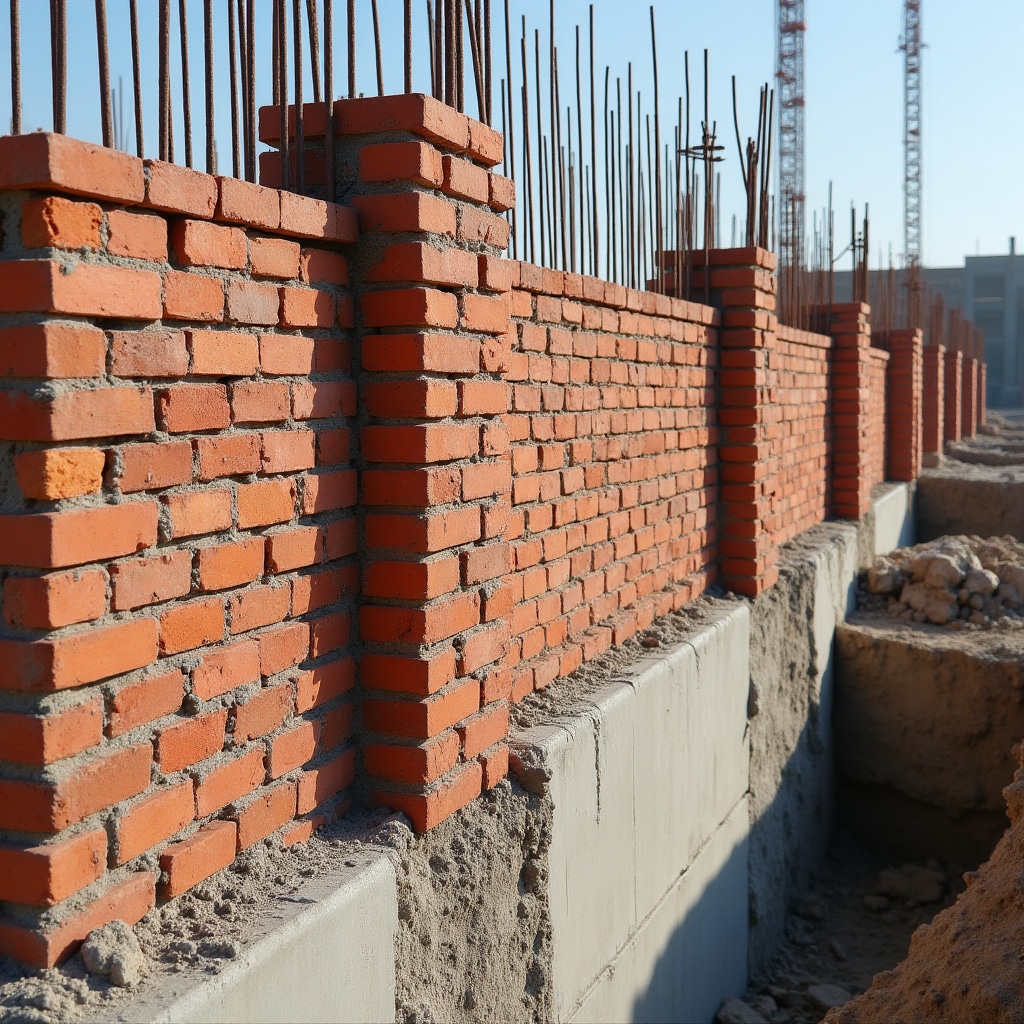
Confined Masonry
Confined masonry is one of the most common seismic-resistant construction systems in Chile. Unlike reinforced masonry where steel is placed within the wall, confined masonry builds the wall first and then surrounds it with reinforced concrete elements.
- Construction sequence: walls built first, then concrete confining elements
- Reinforced concrete columns at wall intersections and ends
- Horizontal bond beams at floor and roof levels
- Connection details between masonry and concrete frame
- Maximum wall lengths and height-to-thickness ratios
Our documentation includes construction sequences, reinforcement details, quality control checkpoints, and common errors to avoid.
Timber Frame Structures
Wood frame construction with proper diagonal bracing can provide excellent seismic performance when built correctly. The key is understanding how to transfer lateral forces through the structure to the foundation.
- Diagonal bracing configurations and placement requirements
- Connection details between wood members using metal plates and fasteners
- Shear wall design with structural sheathing
- Foundation anchorage to resist uplift and sliding forces
- Moisture protection and wood preservation in Chilean climates
Documentation includes framing plans, connection specifications, and installation sequences for diagonal bracing systems.
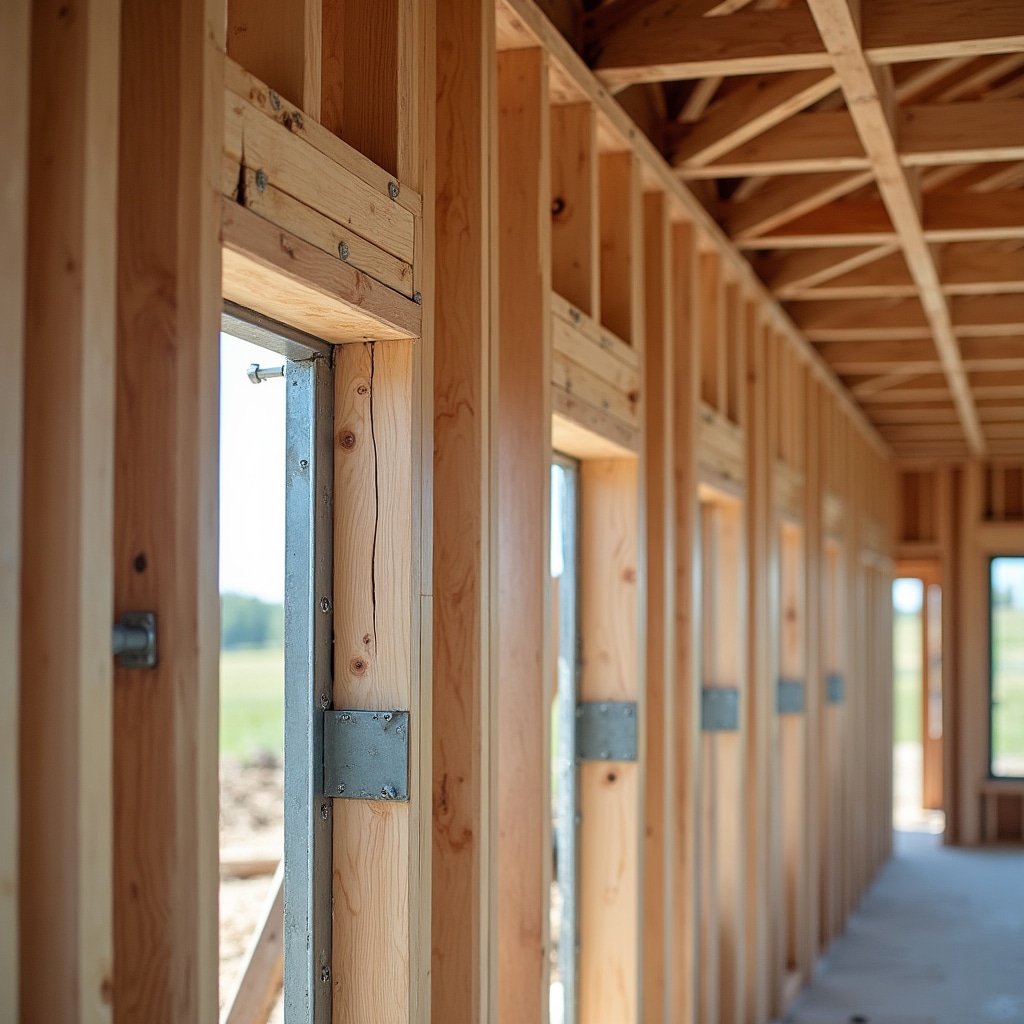
Metal Connections & Anchorage
Connections are where seismic forces transfer between structural elements. Poor connection details are a common cause of earthquake damage even when the structural members themselves are adequate.
Wood-to-Concrete Connections
Anchor bolts, hold-downs, and shear plates that connect wood framing to concrete foundations. Proper installation prevents structures from sliding off their foundations during earthquakes.
Steel Reinforcement Lap Splices
How to properly overlap and tie reinforcing steel bars to develop full strength in concrete elements.
Mechanical Fasteners
Nails, screws, bolts, and specialized seismic fasteners with specifications for different applications.
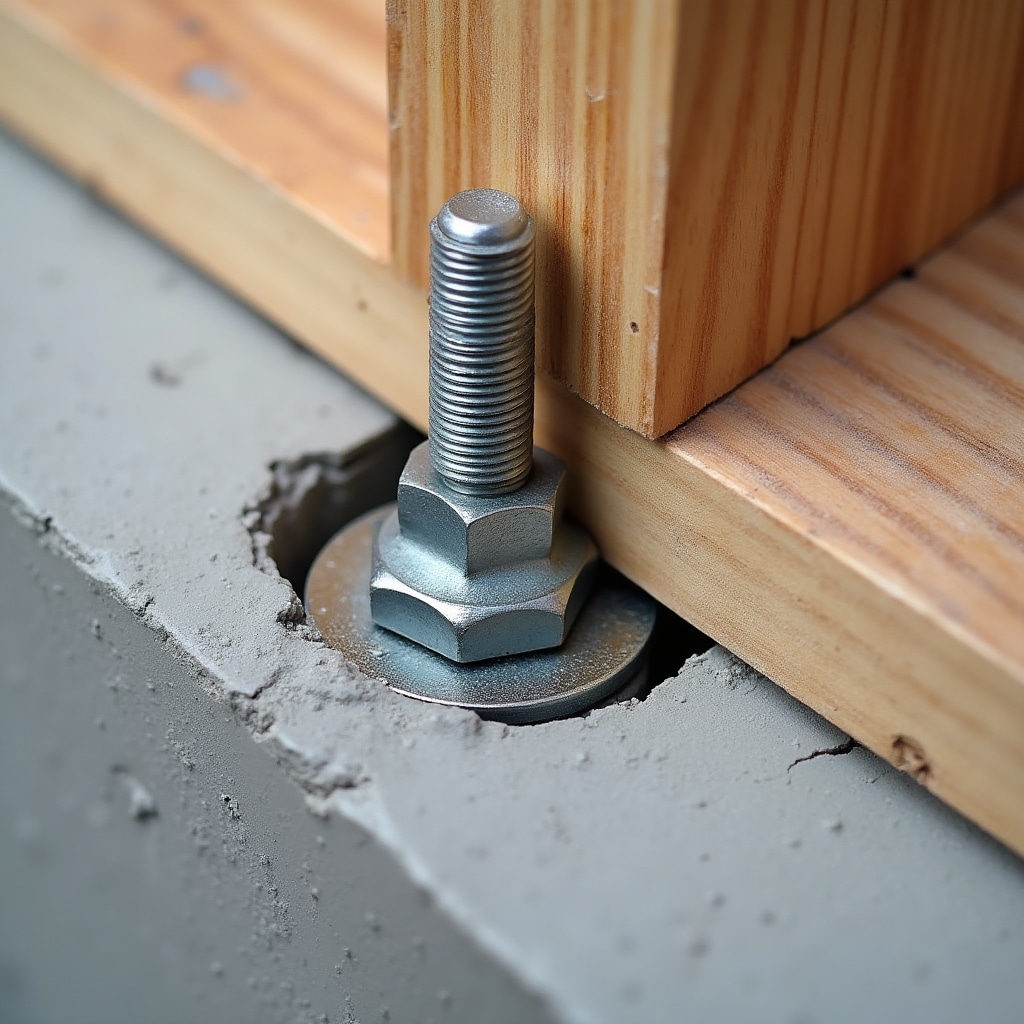
Foundation Anchorage Details
Proper spacing, embedment depth, and installation of anchor bolts that secure the structure to its foundation
Hold-Down Systems
Devices that resist uplift forces at the ends of shear walls during seismic events.
Foundations for Different Soil Types
Chile's diverse geography means foundation design must account for varying soil conditions from sandy coastal areas to clay soils in the central valley. Each soil type has different bearing capacity and seismic response characteristics.
Strip Footings
Continuous foundations under load-bearing walls. Suitable for competent soils with adequate bearing capacity. Documentation covers depth requirements, reinforcement placement, and width calculations based on soil type and building loads.
Isolated Footings
Individual pad foundations under columns. Used when loads are concentrated at specific points. Includes design considerations for preventing differential settlement and connecting footings with grade beams.
Mat Foundations
Continuous slab covering the entire building footprint. Used for poor soil conditions or when other foundation types would require excessive depth or size. Distributes building weight over maximum area.
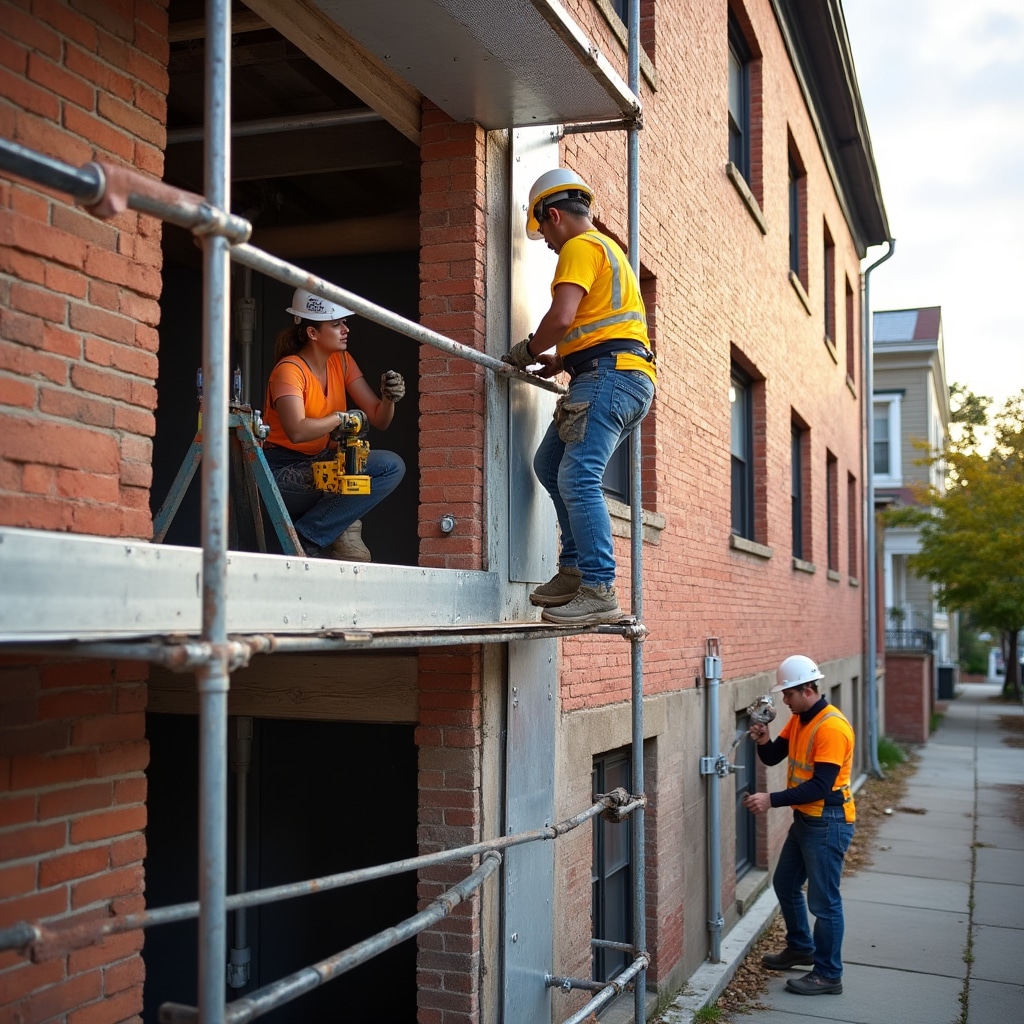
Retrofitting Existing Buildings
Many existing homes in Chile were built before current seismic codes were established. Retrofitting involves adding structural elements to improve earthquake resistance without complete reconstruction.
- Adding shear walls or bracing to structures that lack adequate lateral resistance
- Strengthening connections between walls and roof/floor diaphragms
- Improving foundation anchorage of existing structures
- Adding confining elements to unreinforced masonry walls
- Repair techniques for earthquake-damaged structures
Important: Retrofitting work should be designed by a structural engineer who can evaluate the existing building and determine appropriate strengthening measures.
Looking for Specific Technical Information?
Contact us if you need help finding educational resources on a particular construction technique or seismic design topic.
Get in Touch