How We Document Seismic Construction
Our educational approach combines engineering expertise, laboratory research documentation, and practical construction knowledge to create comprehensive learning resources about earthquake-resistant building techniques.
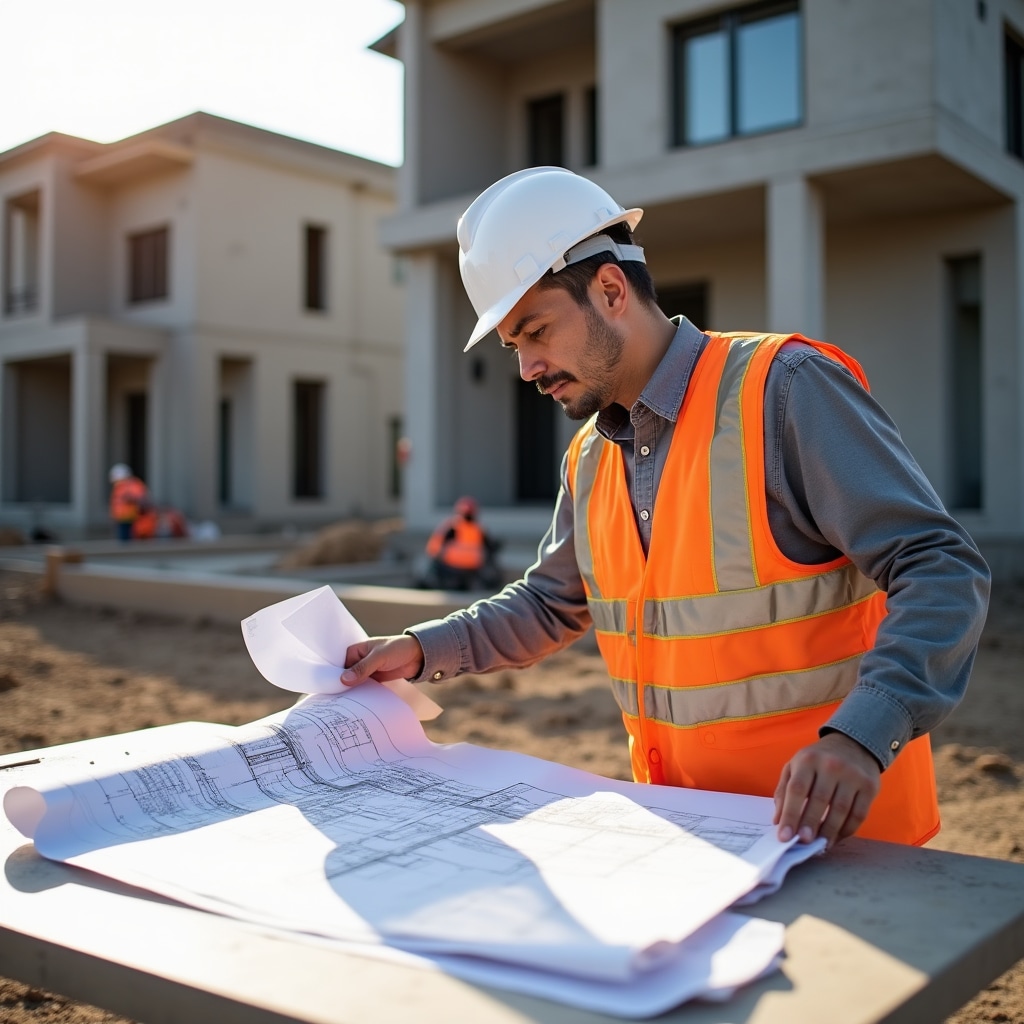
Field Documentation
We document real construction projects to show how theoretical principles translate into practical building sequences and quality control procedures
Research-Based
All techniques are supported by laboratory testing results and peer-reviewed engineering research from Chilean institutions.
Expert Interviews
Conversations with structural engineers who have analyzed building performance after major Chilean earthquakes.
Clear Visual Documentation
Technical information presented through diagrams, photographs, and step-by-step illustrations that make complex engineering concepts accessible to builders and homeowners without requiring advanced technical education.
Comparative Analysis
We explain different construction approaches and their trade-offs rather than promoting one method. Understanding why different techniques work in different situations helps you make informed decisions for your specific project conditions.
Video Documentation
Laboratory testing footage showing how structures respond to simulated earthquake forces.
Quality Standards
Documentation of inspection checkpoints and quality control measures throughout construction.
Learning from Chilean Earthquakes
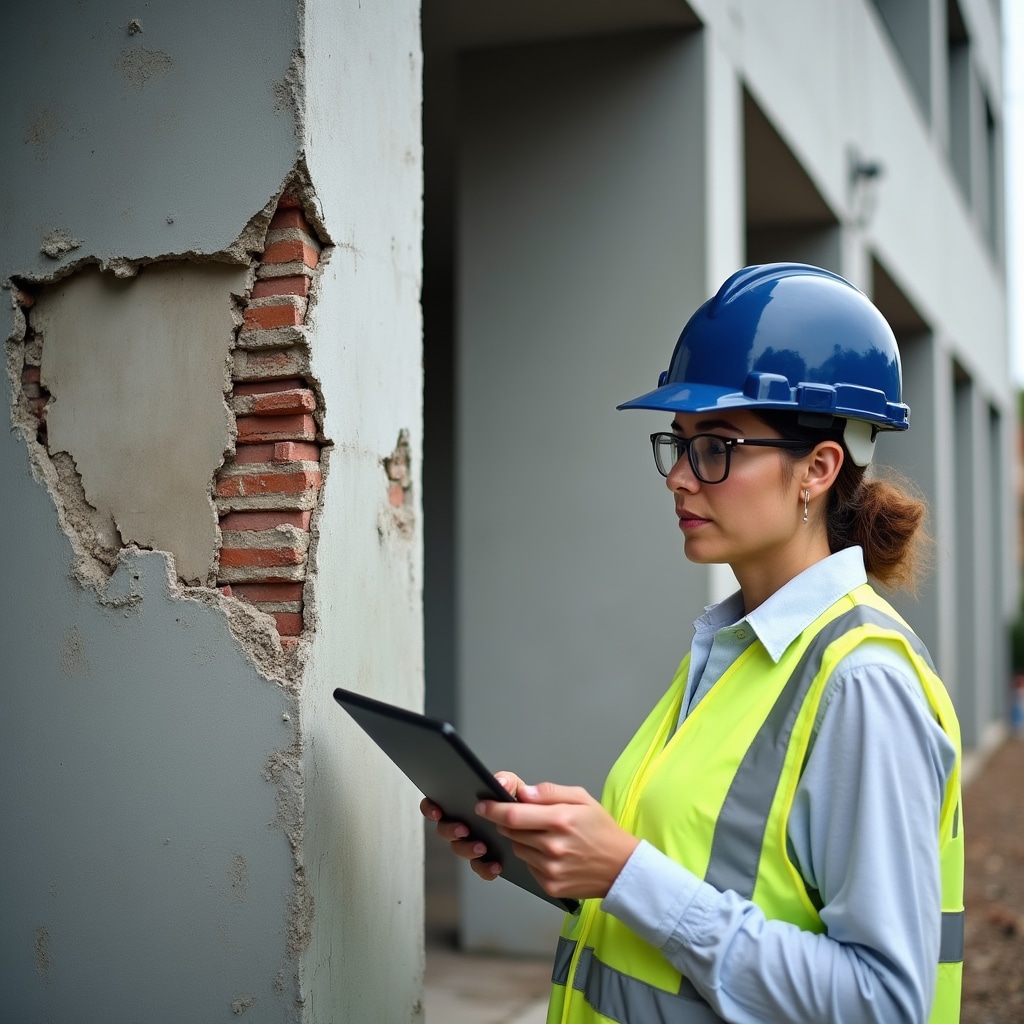
Chile's history of major seismic events provides valuable data about which construction techniques perform well and which ones fail. Our educational content incorporates lessons from post-earthquake building assessments and damage analysis.
- Documentation of building performance during the 2010 Maule earthquake (magnitude 8.8)
- Analysis of construction details that prevented collapse versus those that contributed to failure
- Evolution of Chilean seismic building codes based on observed earthquake damage patterns
- Interviews with engineers who conducted post-earthquake structural assessments
This real-world evidence base helps builders understand not just what the building code requires, but why those requirements exist and what happens when they're not followed.
How We Create Educational Resources
Each piece of content goes through a development process to ensure technical accuracy and practical usefulness.
Engineering Review
Licensed structural engineers review all technical content to verify accuracy and compliance with Chilean building standards and seismic design principles.
Visual Documentation
Photographs and diagrams are created to illustrate key concepts, construction sequences, and quality control checkpoints in a clear, accessible format.
Practical Testing
Builders and construction professionals review materials to ensure the information is presented in a way that's useful for actual construction projects and decision-making.
Questions About Our Approach?
We're happy to discuss our educational methodology or answer questions about how we develop and verify our content.
Contact Us